
Crypto Staking Tax in Australia: What You Actually Owe
Crypto staking tax is one of the most searched and least understood topics for Australian crypto holders. The Australian Taxation Office treats cryptocurrency as property, not currency, which means almost every reward, sale, or swap you make can trigger a tax event. Staking rewards are no exception. Whether you are running a validator node, delegating tokens through a DeFi protocol, or simply earning yield in a liquidity pool, the ATO expects you to account for that income and report it correctly. Getting this wrong is not a minor inconvenience. The ATO has data-matching arrangements with Australian crypto exchanges and has signalled clearly that crypto compliance is a priority area. This guide covers what crypto staking tax means in practice, how the rules extend to DeFi, NFTs, airdrops, and trading gains, and what steps you can take to stay on the right side of your obligations.

Is Staking Taxable in Australia?
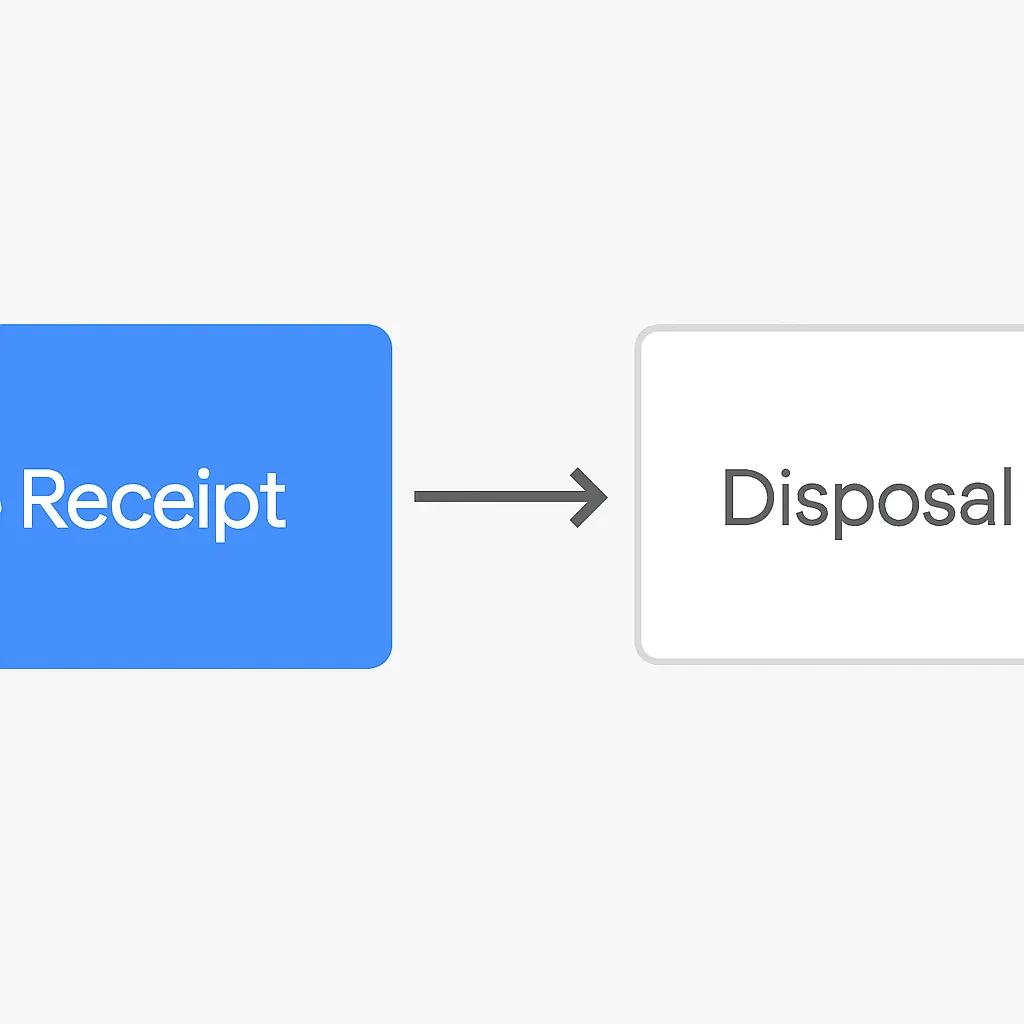
The short answer is yes. When you receive staking rewards, the ATO generally treats them as ordinary income at the moment you receive them. The value you report is the Australian dollar market value of the tokens at the time they land in your wallet. That value becomes your cost base for those tokens. So the question is not simply "is staking taxable" at one point in time but rather at two points: receipt and disposal.
Two-Stage Tax Treatment
At receipt, you declare the fair market value as assessable income on your tax return. This sits alongside your salary, freelance income, or any other ordinary earnings and is taxed at your marginal rate. Then, when you eventually sell, swap, or transfer those staked tokens, a second tax event occurs. You calculate the capital gain or loss based on the difference between your proceeds and the cost base you established at receipt. If you held the tokens for more than twelve months before disposal, you may qualify for the 50 percent capital gains tax discount, which effectively halves the taxable gain.
The table below summarises the two-stage treatment that applies to most Australian staking participants.
| Tax Event | Trigger | Tax Treatment | Rate |
|---|---|---|---|
| Receipt of staking rewards | Tokens credited to wallet | Ordinary income | Marginal income tax rate |
| Disposal of staking rewards | Sale, swap, or transfer | Capital gains event | Marginal rate; 50% discount if held 12+ months |
How Are DeFi Rewards Taxed?
DeFi introduces more complexity than straightforward staking. When you ask how are DeFi rewards taxed, the answer depends on the specific mechanism generating those rewards. Providing liquidity to an automated market maker, lending assets on a protocol, or farming yield through a governance token distribution can each have a slightly different tax profile, but the underlying ATO principle remains consistent: if you receive a new token or an increase in tokens with measurable market value, that receipt is likely assessable income.
Liquidity Pool Tokens
One area that trips up many DeFi users is liquidity pool tokens. When you deposit assets into a pool and receive LP tokens in return, the ATO may treat that deposit as a disposal of the original assets, triggering a CGT event at that point. The LP tokens themselves then take on a cost base equal to the market value of what you deposited. When you withdraw and receive your original assets back, often in slightly different proportions, that withdrawal may constitute another disposal. Every swap along the way is also a separate CGT event.
Wrapped tokens follow a similar logic. Wrapping ETH into WETH, for example, could be treated as disposing of ETH and acquiring WETH, generating a CGT event even if the economic value feels unchanged. The ATO has not issued definitive guidance on every DeFi scenario, but its general approach to crypto as property means that exchanging one token for another nearly always counts as a disposal.
Crypto Trading Tax: Calculating Your Capital Gains
Beyond staking, crypto trading tax is the area where most Australian holders rack up the most exposure without realising it. Every time you sell cryptocurrency for Australian dollars, swap one token for another, or use crypto to purchase goods or services, you create a CGT event. The gain or loss is the difference between your proceeds and your cost base, calculated using either the first-in first-out method or a specific identification method, depending on how you maintain your records.
Cost Base Methods
The table below outlines the main cost base methods available and what each requires.
| Cost Base Method | How It Works | Record-Keeping Requirement |
|---|---|---|
| First In First Out (FIFO) | Oldest acquired tokens are treated as disposed of first | Chronological purchase records |
| Specific Identification | You identify exactly which parcel you are disposing of | Detailed parcel-by-parcel records linked to transactions |
Active traders who buy and sell frequently may also find the ATO treats their activity as a business rather than investment, which removes the CGT discount and instead taxes gains as ordinary income. The distinction hinges on factors like trading frequency, commercial intent, and whether you operate in a business-like manner. There is no hard transaction threshold; the ATO looks at the full picture.
NFT Tax in Australia
NFT tax works through the same CGT framework as other crypto assets. When you sell or swap an NFT, you trigger a capital gains event. Your cost base is what you paid for the NFT, including any gas fees paid at the time of purchase, and your proceeds are the market value you receive on disposal, whether in Australian dollars or in cryptocurrency. If the NFT was purchased in crypto, the disposal of that crypto to buy the NFT is itself a CGT event, so you may have two events to account for in a single purchase transaction.
Creator and Royalty Income
Creators who mint NFTs and receive proceeds from primary sales may have those proceeds treated as ordinary business income rather than capital gains, particularly if they operate as professional artists or developers. Royalty income from secondary sales also sits in the ordinary income category for most creators. The line between hobbyist and business operator matters here, and the ATO's guidance on creative professionals applies alongside its crypto framework.
Crypto Airdrop Tax: What Recipients Need to Know
Crypto airdrop tax catches many holders off guard. If you receive tokens through an airdrop, the ATO's general position is that those tokens are ordinary income at the time of receipt, valued at their market price on that date. The same cost base rule applies: what you declared as income becomes the cost base for the CGT calculation when you eventually dispose of the tokens.
Narrow Exception for Unsolicited Airdrops
There is a narrow exception worth knowing. If you did nothing to receive the airdrop, had no knowledge of it, and could not have reasonably expected it, some tax practitioners argue the receipt may not be assessable income until you take a positive step to deal with the tokens. This argument has not been definitively tested in Australian courts, and relying on it carries risk. The safer approach is to record the market value at receipt and declare it as income. If the tokens were worthless at the time of the airdrop and only gained value later, the cost base is effectively zero, and the full disposal proceeds become your capital gain.
Record-Keeping: The Foundation of Any Crypto Tax Filing
None of these calculations are possible without thorough records. The ATO requires you to keep records for at least five years from the date of each transaction. For crypto, that means retaining evidence of the date of acquisition and disposal, the Australian dollar value at each point, what the transaction was for, and details of the counterparty where available. Exchange transaction histories are a starting point, but they rarely capture DeFi interactions, cross-chain bridges, or hardware wallet movements.
Automated Record-Keeping Solutions
Connecting all your wallets and exchange accounts to a single platform that calculates your cost base, tracks every staking receipt, and produces a tax summary in the format your accountant or the ATO expects removes the largest source of error. Manual spreadsheets work for simple portfolios but fail quickly once DeFi, staking, and NFTs are involved.
Illustrative Scenario
This scenario is illustrative. It does not describe a real person or client, and the figures are examples only.
To illustrate how this applies in practice, consider the following scenario:
Priya is a software developer in Melbourne who has been staking ETH through a liquid staking protocol for eighteen months. She also holds a small NFT collection she bought during the previous financial year, and she received a governance token airdrop from a DeFi protocol she used regularly. At tax time, Priya realises she has four separate types of tax exposure sitting across three wallets and two exchange accounts.
Her staking rewards need to be declared as income at the values they were received each week. Her NFT sales have triggered capital gains events, two of which qualify for the 50 percent CGT discount because she held the NFTs for over twelve months. The airdrop tokens had a measurable market value at receipt, so she adds that amount to her ordinary income. Finally, one ETH-to-stablecoin swap she made mid-year is a CGT event she had forgotten about entirely.
Priya connects all her wallets and exchange accounts to CryptaTax, which automatically categorises each transaction type, calculates cost bases across wallets, and produces a summary report she can hand directly to her accountant. What looked like an impossible reconstruction task takes an afternoon rather than weeks.
Frequently Asked Questions
Is staking taxable in Australia even if I have not sold my rewards?
Yes. The ATO treats staking rewards as ordinary income at the moment you receive them, regardless of whether you sell. The Australian dollar value of the tokens on the date of receipt is what you declare. A second tax event, a capital gain or loss, arises only when you later dispose of those tokens.
How is crypto staking tax different from a savings account?
Bank interest is also ordinary income, so the treatment is similar at the point of receipt. The key difference is that when you withdraw savings you do not trigger a capital gains event, whereas disposing of staking reward tokens does. Every crypto disposal is a separate CGT event under Australian tax law.
How are DeFi rewards taxed compared to simple staking?
The same income-at-receipt principle applies, but DeFi adds extra layers. Depositing into a liquidity pool, receiving LP tokens, and then withdrawing can each trigger disposal events. Wrapped token conversions may also count as disposals. The mechanics vary by protocol, so detailed transaction records are essential.
Do I pay NFT tax on every sale, including small amounts?
Yes. There is no de minimis threshold for CGT in Australia. Every NFT disposal, whether for a small amount or a large one, is a taxable event. You must calculate the gain or loss based on the cost base at purchase and the proceeds at sale, including any gas fees incurred.
What is the crypto airdrop tax treatment if the tokens had no market value at the time I received them?
If the tokens genuinely had no market value at receipt, your assessable income at that point would be zero and your cost base would also be zero. When you eventually sell, the full proceeds would be a capital gain. Keep records showing the token had no active market at the time of the airdrop to support this position.
Does crypto trading tax apply to swaps between cryptocurrencies, not just sales for dollars?
Yes. The ATO treats any exchange of one cryptocurrency for another as a disposal of the first asset and an acquisition of the second. Each swap is a separate CGT event. This includes swapping tokens on a DEX, converting stablecoins, or exchanging tokens within a DeFi protocol.
Can I offset capital losses from crypto against gains from other assets like shares?
Yes. Capital losses from crypto disposals can be offset against capital gains from any other CGT asset, including shares. If your losses exceed your gains in a financial year, you can carry the net capital loss forward to offset against future capital gains. You cannot offset capital losses against ordinary income.
What records do I need to keep for crypto staking tax purposes?
You need the date and time of every staking reward receipt, the Australian dollar value at the moment of receipt, the number and type of tokens received, and records of any subsequent disposal. Exchange and wallet transaction exports are a starting point, but for DeFi and cross-chain activity you will likely need a dedicated crypto tax platform to compile a complete picture.
How long does the ATO require me to keep crypto tax records?
The ATO requires records to be kept for at least five years from the date of the relevant transaction. For assets you still hold, the clock starts when you acquired them. Given that crypto portfolios can span many years and multiple wallets, building your record-keeping system early is far easier than reconstructing it at audit.
Does the 50 percent CGT discount apply to staking rewards I have held for over twelve months?
It can, provided you held the specific tokens for more than twelve months before disposing of them. The clock starts at the date of receipt of the staking reward, not from when you first began staking. If you meet the twelve-month holding requirement, you can reduce the taxable capital gain on those tokens by 50 percent.
Source: CryptaTax