
Crypto Airdrop Tax in the UAE: Airdrops, Mining, Staking and More
The UAE has built a reputation as one of the most crypto-friendly jurisdictions in the world, but that does not mean crypto holders can ignore their obligations entirely. Crypto airdrop tax, mining income, staking rewards, DeFi earnings and NFT gains all sit within a tax landscape that has been shifting quickly. The introduction of a federal corporate tax regime and the ongoing development of Virtual Asset Service Provider regulation have changed the picture for many residents. Whether you received free tokens through an airdrop, earned rewards by validating transactions, or flipped an NFT for a profit, understanding where you stand is no longer optional. This guide covers each income type in plain language, explains what the current rules mean for individual holders in the UAE, and tells you exactly what records you should be keeping right now.

How the UAE Taxes Crypto: The Baseline You Need
The UAE does not currently impose a personal income tax on individuals. That is the starting point, and for most retail crypto holders it is genuinely good news. Gains from buying and selling crypto, receiving airdrops, or earning staking rewards are not subject to the kind of capital gains or income tax that residents in the UK, US or Germany would face at the individual level.
Corporate Tax Implications for Business Activity
However, the picture changed in 2023 when the UAE introduced a federal Corporate Tax at a headline rate of 9% on business profits exceeding AED 375,000. If your crypto activity crosses the line from personal investing into something that looks like a business, that exemption may not apply to you. The Virtual Assets Regulatory Authority (VARA) in Dubai and the Financial Services Regulatory Authority (FSRA) in Abu Dhabi both regulate crypto-related businesses, and operating as one without proper registration carries real legal risk. For most individual holders with a day job and a personal crypto portfolio, personal income tax is not a concern. But if you are mining at scale, running a DeFi strategy that generates consistent commercial returns, or trading professionally, you need to think carefully about your status.
| Crypto Activity | Individual (No Business Activity) | Business / Commercial Activity |
|---|---|---|
| Airdrops | No personal income tax | May be taxable business income |
| Mining rewards | No personal income tax | Corporate tax may apply above AED 375,000 profit |
| Staking rewards | No personal income tax | May be taxable business income |
| DeFi rewards | No personal income tax | May be taxable business income |
| NFT sales | No personal income tax | May be taxable business income |
| Crypto trading gains | No personal income tax | Corporate tax may apply above threshold |
Crypto Airdrop Tax in the UAE: Free Tokens Are Not Always Free
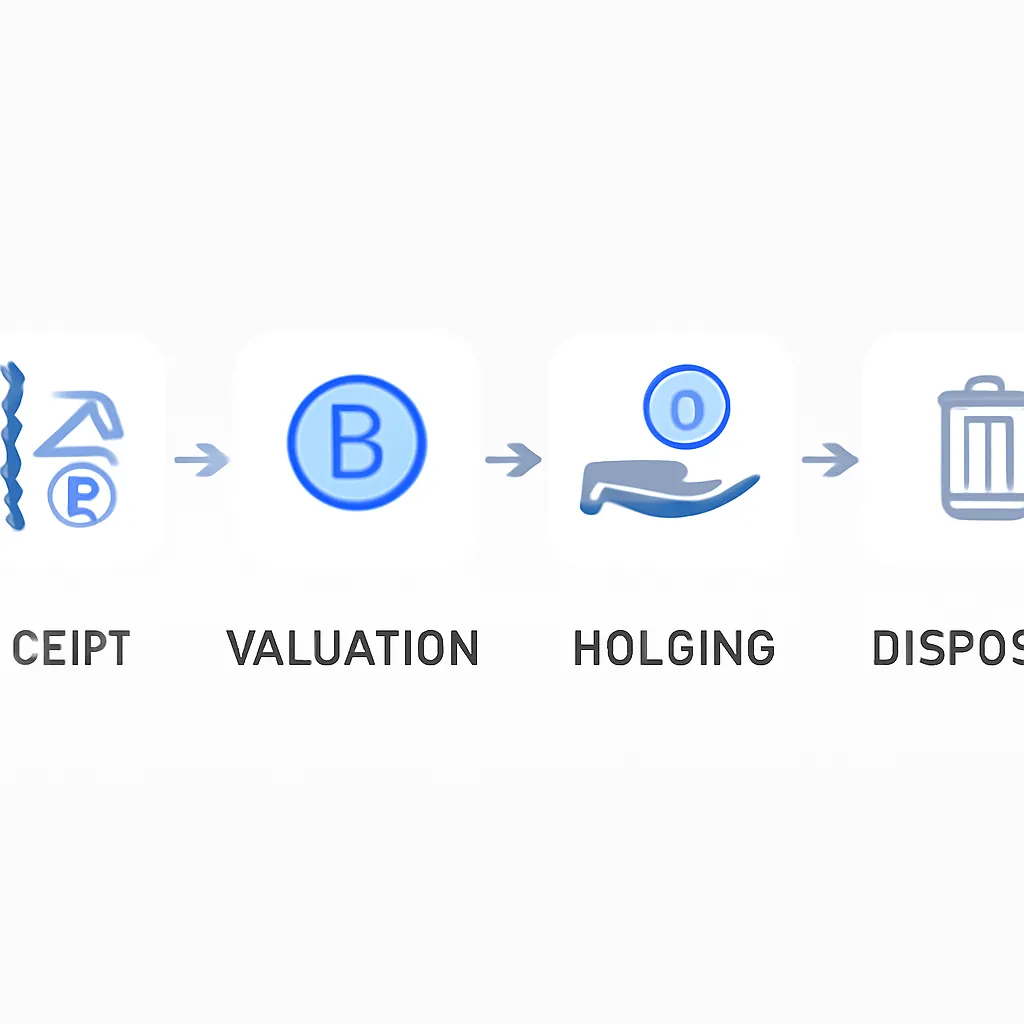
Airdrops are distributions of tokens sent directly to wallet addresses, usually as a promotional tool or as part of a protocol's governance launch. They feel like free money, and in the UAE's personal tax environment, they largely are. An individual who receives an airdrop and holds the tokens is not generating a taxable event under any current personal tax rule in the UAE.
Nuances: Disposal and Business Scale
That said, there are two important nuances. First, if you later sell or swap those airdropped tokens, you will need to know their value at the time you received them in order to calculate any gain or cost basis. This matters for record-keeping, even if no tax is immediately due. Second, if you are receiving airdrops at scale as part of a structured crypto operation, VARA or FSRA licensing requirements could come into play before tax does. The practical takeaway is simple: record the date, the token, and the fair market value in AED at the time of receipt for every airdrop you receive. You may not owe anything today, but clean records protect you if the rules change or if your activity is ever reviewed.
Mining Income and How UAE Rules Apply
Crypto mining involves using computing power to validate transactions on a proof-of-work blockchain and receiving newly minted tokens as a reward. In the UAE, individual miners with modest setups and no formal business structure are not subject to personal income tax on their mining rewards. The tokens you earn through mining are not treated as employment income or investment income for personal tax purposes.
Large-Scale Mining and Corporate Tax
The calculus shifts for large-scale miners. Running a mining operation with significant hardware, electricity consumption, and staff begins to resemble a business. At that point, the 9% corporate tax framework could apply to net profits above the AED 375,000 free zone or mainland threshold, depending on your setup. Free zone entities in the UAE may benefit from a 0% rate on qualifying income, but the conditions for that relief are specific and require proper structuring. If you are mining at commercial scale, taking advice from a UAE-registered tax advisor before your next tax period is genuinely worthwhile. For hobby miners or small personal operations, document your hardware costs, electricity bills, and the value of tokens received at mining time. Those records cost nothing to keep and could matter a great deal later.
Crypto Staking Tax: Is Staking Taxable in the UAE?
Staking rewards are earned by locking up tokens to support a proof-of-stake network. The question of whether staking is taxable in the UAE follows a similar logic to mining. For individuals without a formal business structure, staking rewards are not subject to personal income tax under the current UAE framework. You are not paid a salary, you are not running an employer-employee arrangement, and there is no capital gains tax regime at the personal level.
Selling Staking Rewards: Disposal Events
Where things get more nuanced is the question of what happens when you sell or swap your staking rewards. If you staked ETH and earned additional ETH as a reward, the moment you sell that reward token is a disposal event. Knowing the value of the reward at the time you received it gives you your cost basis for that specific parcel of tokens. Keeping this data clean is the single most important thing a staker in the UAE can do. How are DeFi rewards taxed when they come from staking via a protocol rather than directly on-chain? The answer is the same at the individual level: no personal income tax currently applies, but the same record-keeping logic holds. CryptaTax automatically captures your staking reward history, timestamped values and disposal calculations so you are not doing this manually across multiple wallets.
DeFi Tax and How DeFi Rewards Are Taxed
Decentralised finance covers a wide range of activities: lending, borrowing, yield farming, liquidity provision, and automated market-making. Each of these can generate returns, and the question of how DeFi rewards are taxed in the UAE depends on whether you are acting as an individual or as a business.
Individual Treatment of DeFi Yields
For individuals, the absence of personal income tax means DeFi yields are not taxed as income at the point of receipt. Providing liquidity to a pool and earning a share of trading fees does not trigger an immediate tax bill under current UAE personal tax rules. But DeFi introduces complexity that goes beyond tax. Wrapping tokens, bridging assets across chains, and depositing into smart contracts can each represent a change in the asset you hold. Whether any of those events constitute a disposal for future tax calculations is a question the UAE has not yet answered with binding guidance. The safest approach is to treat each token swap or conversion as a separate event, record the values involved, and let your software flag any inconsistencies. Defi tax is an area where global regulators are still catching up, and the UAE is no exception.
DeFi Activity Tax Treatment Table
| DeFi Activity | Likely Tax Treatment (Individual) | Key Record to Keep |
|---|---|---|
| Yield farming rewards | No personal income tax currently | Token value at receipt date |
| Liquidity pool fees | No personal income tax currently | Fee token value at receipt date |
| Lending interest received | No personal income tax currently | Interest token value at receipt date |
| Token swaps within DeFi | Potential disposal event, guidance pending | Value of each token at time of swap |
NFT Tax in the UAE: What Creators and Traders Should Know
NFTs (non-fungible tokens) are unique digital assets that can represent art, collectibles, in-game items, and more. NFT tax in the UAE follows the same personal tax logic: individuals buying and selling NFTs for a profit are not subject to a capital gains tax or income tax at the personal level. If you minted an NFT, sold it for ETH, and converted that ETH to AED, no personal tax bill arises from that chain of events under current rules.
Business Activity and VAT Considerations
Creators who sell NFTs regularly as their primary source of income occupy a different space. If the UAE tax authority or a licensing body were to classify repeated NFT sales as a business activity, corporate tax considerations could follow. VAT is another angle worth watching. The UAE introduced VAT at 5% in 2018, and while the Federal Tax Authority has not yet published comprehensive guidance on NFT transactions, there is a reasonable argument that the sale of digital assets between UAE-resident parties could fall within the VAT scope in certain circumstances. This is an area where the rules are still developing. Keeping a complete transaction log, including the price paid for each NFT, the price received on sale, and the dates involved, is the minimum standard of record-keeping any NFT trader should meet.
Crypto Trading Tax: Staying on the Right Side of the Line
Crypto trading tax is perhaps the most searched topic for UAE-based holders. Buying Bitcoin, Ethereum, or any other token and selling it at a profit does not attract personal capital gains tax in the UAE. This puts UAE residents in a genuinely advantageous position compared to peers in most Western jurisdictions. For a retail investor making occasional trades through a centralised exchange, the current framework is clear and favourable.
Distinguishing Personal Investing from Professional Trading
The line between personal investing and professional trading is less clear. Frequency, volume, the use of leverage, and whether trading is your primary economic activity are all factors that could lead a regulator or tax authority to treat your activity as a business. Professional traders structured as UAE entities are subject to corporate tax rules if their profits exceed the relevant threshold. Beyond the domestic picture, UAE residents who hold accounts on foreign exchanges should be aware that international reporting frameworks, including the OECD's Crypto-Asset Reporting Framework (CARF), are designed to share account information across borders. Even if no UAE personal tax is due, other jurisdictions may have an interest in your activity if you hold residency or citizenship elsewhere.
Illustrative Scenario
This scenario is illustrative. It does not describe a real person or client, and the figures are examples only.
To illustrate how this applies in practice, consider the following scenario: Ahmed is a software engineer based in Dubai who has been active in crypto for several years. He holds a diversified portfolio across Bitcoin, Ethereum and several DeFi tokens. During one calendar year, he received tokens through two protocol airdrops, earned staking rewards on his ETH, provided liquidity to a DeFi pool, and sold a small NFT collection he had minted earlier in the year.
Ahmed is not running a registered crypto business and his primary income is his employment salary. Under current UAE personal tax rules, none of those crypto activities generate a personal income tax liability. However, when Ahmed tried to calculate the cost basis of the tokens he later sold, he realised he had no record of the value of his airdropped tokens at the date he received them, or the exact dates his staking rewards had been credited. He connected his wallets to CryptaTax, which pulled his full transaction history, assigned historical prices to each reward event, and gave him a clean cost basis report. If the UAE ever introduces a capital gains regime, or if Ahmed relocates to a country where these gains are taxable, he will have everything he needs already documented.

Frequently Asked Questions
Is crypto airdrop tax applicable in the UAE for individual holders?
Under the current UAE tax framework, individuals do not pay personal income tax on airdrop receipts. There is no capital gains tax or income tax at the personal level that would apply to free token distributions. However, you should still record the value of airdropped tokens at the date of receipt in case you later sell them or in case the rules change.
Is staking taxable in the UAE?
For individuals, staking rewards are not currently subject to personal income tax in the UAE. The UAE does not have a personal income tax regime, so crypto staking tax in the traditional sense does not apply to retail holders. If your staking activity is structured as a commercial operation, corporate tax considerations may apply above the AED 375,000 profit threshold.
How are DeFi rewards taxed in the UAE?
DeFi rewards received by individuals in the UAE are not taxed as income under current personal tax rules. The absence of personal income tax means yield farming returns, liquidity pool fees and lending interest are not subject to a tax charge at the point of receipt. Record-keeping is still important because token swaps within DeFi protocols may constitute disposal events for future cost basis calculations.
What is the NFT tax position in the UAE?
Individuals in the UAE who buy and sell NFTs for a profit do not currently face capital gains tax or income tax on those gains. NFT tax at the personal level is effectively zero under the current framework. Creators who sell NFTs as a primary business activity should consider whether corporate tax or VAT obligations could apply to their situation.
Does crypto trading tax apply to UAE residents?
UAE residents trading crypto as individuals do not pay personal capital gains tax or income tax on their trading profits. Crypto trading tax is not levied at the personal level in the UAE. If your trading activity is structured as or resembles a business, corporate tax at 9% may apply to profits above the relevant threshold.
Do I need to report crypto income in the UAE even if no tax is due?
There is currently no personal income tax return requirement for individuals in the UAE, so most retail crypto holders have no filing obligation. However, if you operate a business that touches crypto, corporate tax registration and filing obligations may apply. Keeping thorough records regardless of your current filing status is strongly recommended.
Could the UAE introduce a personal crypto tax in the future?
No jurisdiction can guarantee its tax rules will never change, and the UAE has been actively expanding its tax regime in recent years with the introduction of corporate tax and VAT. While there is no announced plan to introduce personal income or capital gains tax on crypto, the global push through frameworks like CARF means cross-border information sharing is increasing. Maintaining clean records now protects you whatever direction policy takes.
What records should UAE crypto holders keep?
You should record the date of every transaction, the token or asset involved, the quantity received or disposed of, and the fair market value in AED at the time of each event. This applies to airdrops, staking rewards, DeFi earnings, NFT sales and trading activity. Automated tools like CryptaTax can pull this data directly from your wallets and exchanges, removing the manual burden entirely.
Does the OECD Crypto-Asset Reporting Framework affect UAE residents?
CARF is an international standard designed to enable tax authorities to share information about crypto account holders across borders. If you hold accounts on foreign exchanges and have tax residency or citizenship in another country, that jurisdiction may receive information about your crypto holdings. UAE personal tax rules do not change because of CARF, but your obligations in another country could be affected.
How does CryptaTax help UAE holders manage their crypto records?
CryptaTax connects directly to wallets and exchanges, imports your full transaction history, and applies historical prices to calculate the value of each receipt or disposal at the time it occurred. This gives you a clean, auditable record of airdrops, staking rewards, DeFi activity, NFT sales and trading transactions. Even where no tax is currently due, having this data organised means you are prepared for any future changes.
Source: CryptaTax