
NFT Tax Treatment in Canada: What Crypto Tax Rules Apply to You
Crypto tax in Canada has grown more complex as NFTs have moved from niche collector items into mainstream investing and creative commerce. If you have bought, sold, minted, or traded an NFT in Canada, the Canada Revenue Agency almost certainly expects you to report it. The question is not whether you owe tax, but how much and under which category. The CRA does not have a single dedicated NFT rule. Instead, it applies existing income tax principles to each transaction, which means the facts of your specific situation determine everything. This guide walks through those principles clearly, so you can understand what the CRA is looking at and what you need to record.
How the CRA Classifies Crypto and NFT Transactions
The CRA treats cryptocurrency, including NFTs, as a commodity rather than currency. That classification matters because it means every time you dispose of an NFT, a tax event occurs. A disposal is not limited to a straightforward sale for Canadian dollars. Trading one NFT for another, using cryptocurrency to buy an NFT, or receiving an NFT as payment for services all qualify as disposals that must be reported.
Investing vs Business Activity
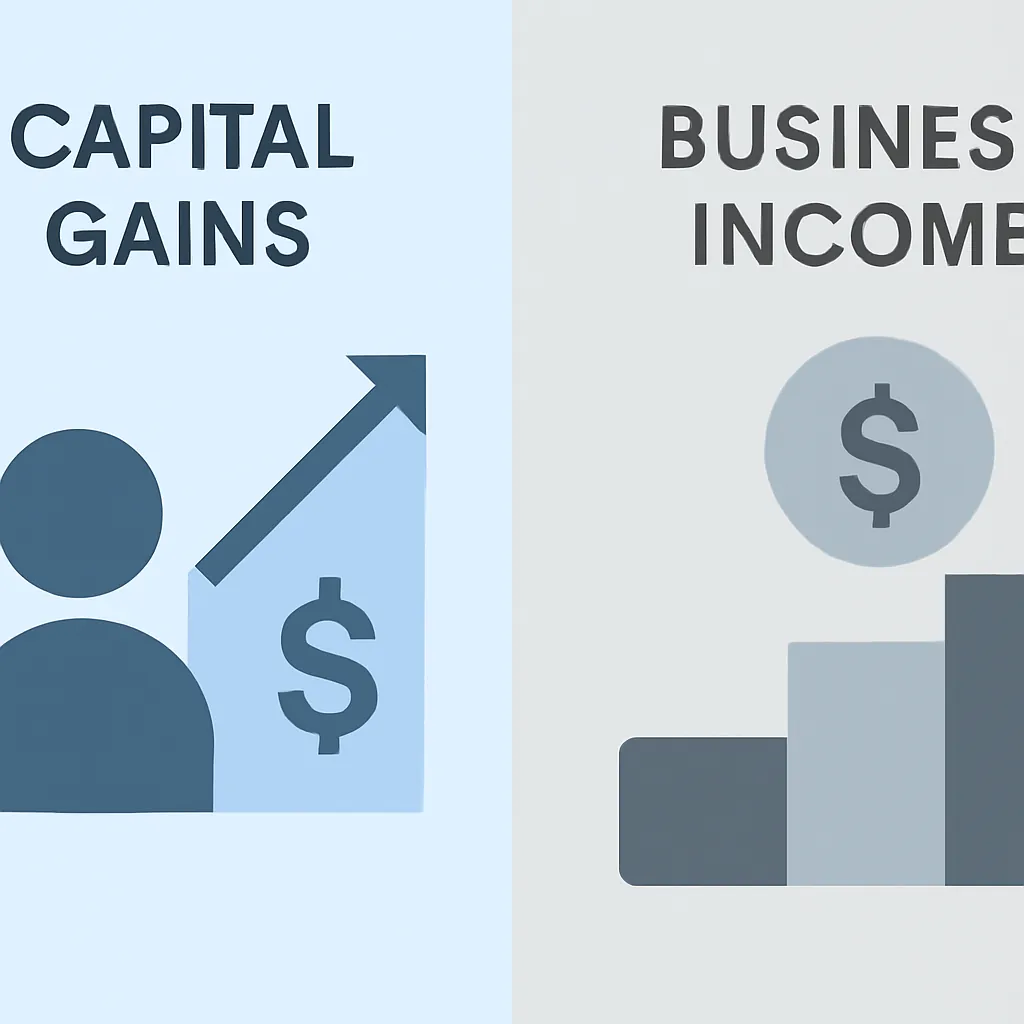
The core question the CRA asks is whether your NFT activity looks more like investing or more like running a business. If you buy NFTs occasionally and hold them as assets with an expectation of long-term appreciation, you are likely holding them on capital account. If you are flipping NFTs regularly, minting and selling at volume, or running an NFT project as a commercial operation, the CRA may classify your gains as business income instead. The distinction is significant because capital gains receive more favourable treatment, while business income is taxed in full at your marginal rate.
The CRA looks at several factors when making this call: how frequently you transact, how long you hold assets before selling, whether you have specialised knowledge of the NFT market, and whether your activity resembles a trade or profession. No single factor is decisive on its own.
Capital Gains vs Business Income on NFT Sales
Understanding how crypto is taxed in Canada starts with this distinction. When an NFT disposal results in a capital gain, only a portion of that gain is included in your taxable income. The current inclusion rate means you add a fraction of the profit to your income, and that included amount is taxed at your marginal rate. Losses on capital account can offset capital gains in the same year, or be carried back or forward under the standard rules.
Business Income Treatment
Business income works differently. The full profit, not a fraction of it, is added to your taxable income. You can deduct legitimate business expenses such as platform fees, minting costs, and a reasonable portion of software or equipment costs, but the net profit is fully taxable. If the CRA reclassifies what you thought were capital gains as business income, the tax bill can be substantially higher.
The table below summarises the key differences between the two treatments.
| Treatment | Taxable Amount | Loss Offset | Typical Profile |
|---|---|---|---|
| Capital Gains | Fraction of net gain included in income | Against other capital gains; carry back or forward allowed | Occasional buyer or collector holding for appreciation |
| Business Income | Full net profit included in income | Against any source of income in the year | Frequent trader, minter selling at volume, or NFT project operator |
Minting NFTs and the Tax Implications
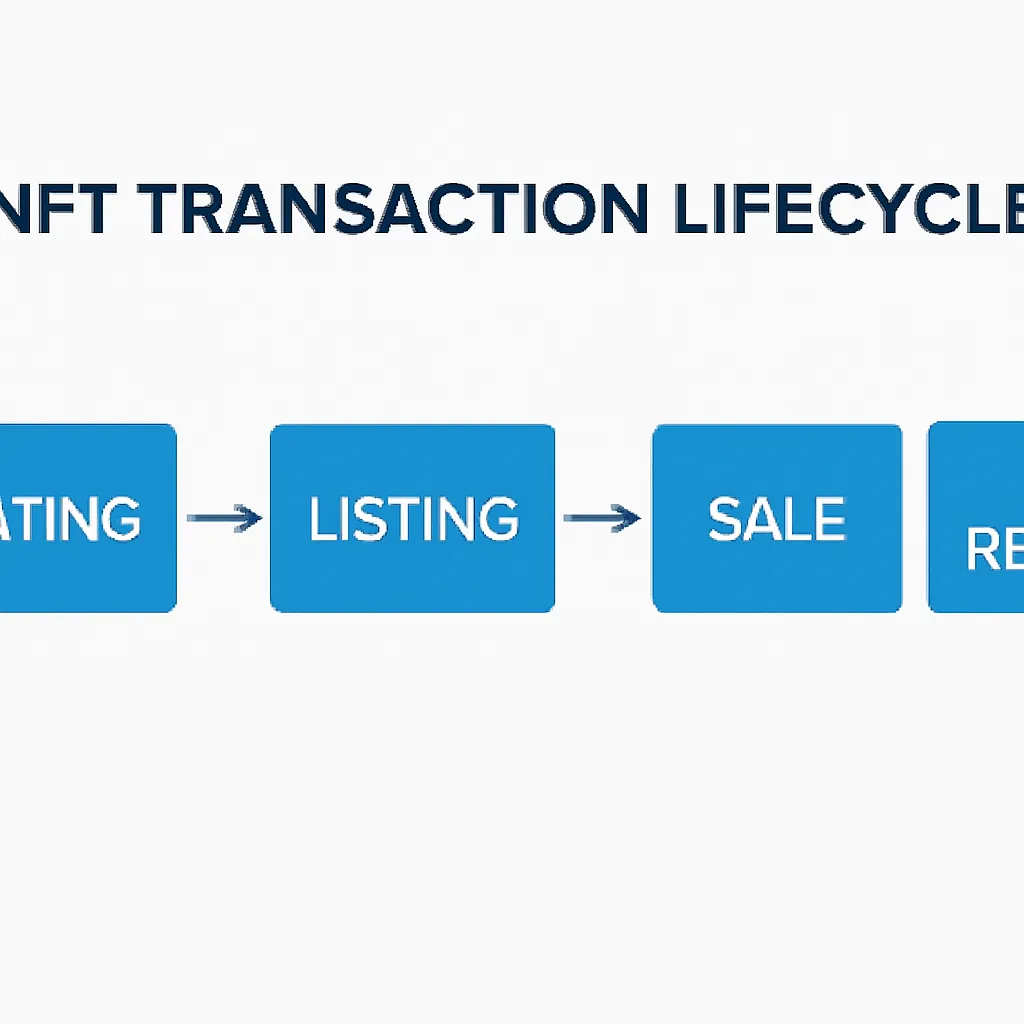
Minting an NFT, the act of creating it and recording it on a blockchain, is not itself a taxable event in most cases. You are essentially creating an asset. The tax event arrives when you sell or otherwise dispose of that minted NFT. At that point, the proceeds minus your cost base, which includes the gas fees and any other costs directly associated with creating the NFT, determine your gain or loss.
Creators vs Casual Collectors
Artists and creators who mint NFTs and sell them regularly are in a different position from casual collectors. The CRA is likely to view consistent commercial minting and selling as a business activity. That means the revenue from sales is business income, and you should be tracking all associated expenses carefully. Platform royalties received on secondary sales are also taxable income when received, and they should be reported in the year they arrive in your wallet.
Tax on Gas Fees Paid in Crypto
One area that catches people off guard is the use of cryptocurrency to pay minting fees. If you use ETH or another token to cover gas costs, and that token has risen in value since you acquired it, you have a taxable disposal of the ETH at the point you spend it. The gain is calculated on the difference between what you paid for the ETH and its value at the moment you used it.
Trading NFTs for Other Crypto or NFTs
Many NFT transactions never touch Canadian dollars at all. Swapping one NFT for another, or selling an NFT for ETH that you then hold, still triggers a tax event. The CRA requires you to determine the fair market value of what you received at the time of the transaction, then compare it to your adjusted cost base in what you gave up.
Determining Fair Market Value
Fair market value in illiquid NFT markets is not always easy to establish. The CRA expects you to use a reasonable method, which typically means the prevailing market price at the time of the transaction if one is available, for instance through a recent comparable sale on the same platform. Keeping timestamped records of every transaction, including the platform, the token ID, the price in cryptocurrency, and the CAD equivalent at that moment, is essential.
Using a Crypto Tax Calculator
This is where a Canada crypto tax calculator becomes genuinely useful. Manually tracking dozens of NFT trades, each with a different cost base and a different fair market value at disposal, is error-prone. Automated tools can pull in wallet and exchange data, apply cost base methods, and produce a report that is far easier to reconcile with your T1 return.
| NFT Event | Taxable? | What to Record |
|---|---|---|
| Minting an NFT | Not at minting; taxable on disposal | Minting costs, gas fees, date, wallet address |
| Selling for fiat or crypto | Yes | Proceeds in CAD, cost base, date, platform |
| Swapping NFT for another NFT | Yes | Fair market value of both assets at swap date |
| Receiving NFT as payment | Yes, as income | Fair market value in CAD at receipt date |
| Gifting an NFT | Yes, deemed disposal at fair market value | Recipient relationship, fair market value, date |
| Secondary sale royalties received | Yes, as income | Amount received, date, CAD equivalent |
Gifting NFTs and Deemed Disposals
Giving an NFT away as a gift does not let you avoid tax in Canada. The CRA treats a gift as a deemed disposal at fair market value. That means you are considered to have sold the NFT for its market value at the moment you transferred it, even though you received nothing in return. If the NFT has appreciated since you acquired it, you have a taxable gain.
Recipient's Adjusted Cost Base
The recipient, on the other hand, acquires the NFT at its fair market value on the date of the gift, which becomes their adjusted cost base. This matters if they later sell the NFT themselves.
Donating NFTs to Charities
Donating NFTs to registered charities is a separate scenario with its own rules. The CRA has guidance on donations of listed securities and property, and NFTs do not fit neatly into those categories. If you are considering a significant NFT donation, taking qualified tax advice before completing the transaction is the practical step to take.
Record-Keeping Requirements for NFT Holders
The CRA requires taxpayers to keep records for at least six years from the end of the tax year they relate to. For NFTs, that means storing documentation of every acquisition, every disposal, and every income event. Good records are your first line of defence if the CRA queries your return.
Minimum Records to Keep
At minimum, your records should capture the date of each transaction, the type of transaction, the NFT identifier or token ID, the platform or marketplace used, the value in cryptocurrency, the CAD equivalent at the time, the gas fees or transaction costs paid, and your adjusted cost base at each point. Blockchain transactions are public and permanent, which cuts both ways. The CRA can, in principle, trace on-chain activity, and unexplained wallet inflows can draw scrutiny.
Using Software and Spreadsheets
Connecting your wallets to a crypto tax calculator that supports Canadian cost base methods, specifically the adjusted cost base method that Canada uses, will produce cleaner records and make your T1 filing more straightforward. Keeping a spreadsheet as a backup, even if you use software, is a sensible habit.
Illustrative Scenario
This scenario is illustrative. It does not describe a real person or client, and the figures are examples only.
To illustrate how this applies in practice, consider the following scenario:
Priya is a graphic designer based in Toronto who began creating digital art as an NFT project in early 2023. Over the course of the year she minted fifteen pieces, selling twelve of them on a popular NFT marketplace. She received ETH for each sale and converted most of it to CAD, but held some ETH as well. She also purchased two NFTs from other artists as collectibles.
At tax time, Priya is unsure how to report all of this. Her sales from minted NFTs are likely business income because she created and sold them commercially, which means full proceeds less minting and platform costs are taxable. The two collectible NFTs she purchased and still holds have not triggered a tax event yet, but she needs to record her adjusted cost base for each. The ETH she received and later converted to CAD involved two separate taxable events: the NFT sale itself and then the ETH disposal.
Priya connects her Ethereum wallet and exchange account to CryptaTax, which pulls in all her transactions, calculates her adjusted cost base for the ETH holdings, and separates her business sales from her capital account positions. The resulting report gives her clear figures to take to her accountant before the T1 deadline.
Frequently Asked Questions
Do I have to report NFT sales on my Canadian tax return?
Yes. The CRA treats NFTs as property, so any disposal, including a sale, trade, or gift, is a taxable event that must be reported on your T1 return. Whether the gain is treated as a capital gain or business income depends on the nature of your activity. Failing to report can result in interest and penalties.
How is crypto taxed in Canada when it comes to NFTs specifically?
The CRA applies the same commodity rules to NFTs as it does to other cryptocurrency. Each disposal triggers either a capital gain or business income depending on your circumstances. Frequent traders and commercial creators are more likely to be assessed on business income, while occasional collectors are more likely to qualify for capital gains treatment.
Is minting an NFT a taxable event in Canada?
Minting itself is generally not taxable at the point of creation. The tax event occurs when you sell or otherwise dispose of the minted NFT. However, if you paid for minting costs using cryptocurrency that had risen in value since you acquired it, that payment is a separate taxable disposal of the cryptocurrency used.
What is the adjusted cost base for an NFT in Canada?
The adjusted cost base is what you paid to acquire the NFT, including any transaction fees, gas costs, or other expenses directly tied to the purchase. When you sell, you subtract this from your proceeds to calculate your gain or loss. Accurate cost base records are essential for correct reporting.
Can I use a Canada crypto tax calculator for NFT transactions?
Yes. A Canada crypto tax calculator that supports NFT transactions and the adjusted cost base method can automate much of the calculation work. These tools pull data from wallets and exchanges, apply the correct cost base methodology, and produce reports you can use when filing your T1 or working with an accountant.
Are NFT royalties taxable in Canada?
Yes. Royalties received on secondary NFT sales are taxable income in the year you receive them. You should record the date of receipt, the amount in cryptocurrency, and the Canadian dollar equivalent at that moment. These are typically treated as business or property income rather than capital gains.
What happens if I gift an NFT to someone in Canada?
Gifting an NFT triggers a deemed disposal at fair market value on the date of the transfer. You are treated as having sold it at that value, so if the NFT has appreciated, you have a taxable gain. The recipient acquires the NFT at its fair market value on the gift date, which becomes their adjusted cost base.
How does crypto tax in Canada compare to crypto tax in the UK or India?
Canada, the UK, and India all tax crypto disposals but use different frameworks. The UK applies capital gains tax with an annual exempt amount and separate income tax for mining or staking rewards. India applies a flat tax rate on crypto gains with restrictions on loss offsetting. Canada uses a capital gains inclusion system with business income rules for frequent traders. Each jurisdiction has its own filing requirements and rates, so if you have activity in more than one country, you should review the rules for each separately.
What records do I need to keep for NFT transactions in Canada?
You should keep the date of each transaction, the NFT token ID, the platform used, the value in cryptocurrency and in CAD at the time, all fees paid, and your adjusted cost base at each stage. The CRA requires records to be kept for at least six years. Digital records stored securely, backed up by wallet exports or exchange reports, satisfy this requirement.
When is the deadline to report crypto and NFT income in Canada?
For most individual taxpayers, the T1 personal income tax return is due on 30 April of the following year. If you or your spouse are self-employed, the filing deadline extends to 15 June, but any tax owing is still due by 30 April. Late filing or late payment results in interest charges from the CRA.
Source: CryptaTax