
Crypto Staking Tax: What Every Individual Needs to Know
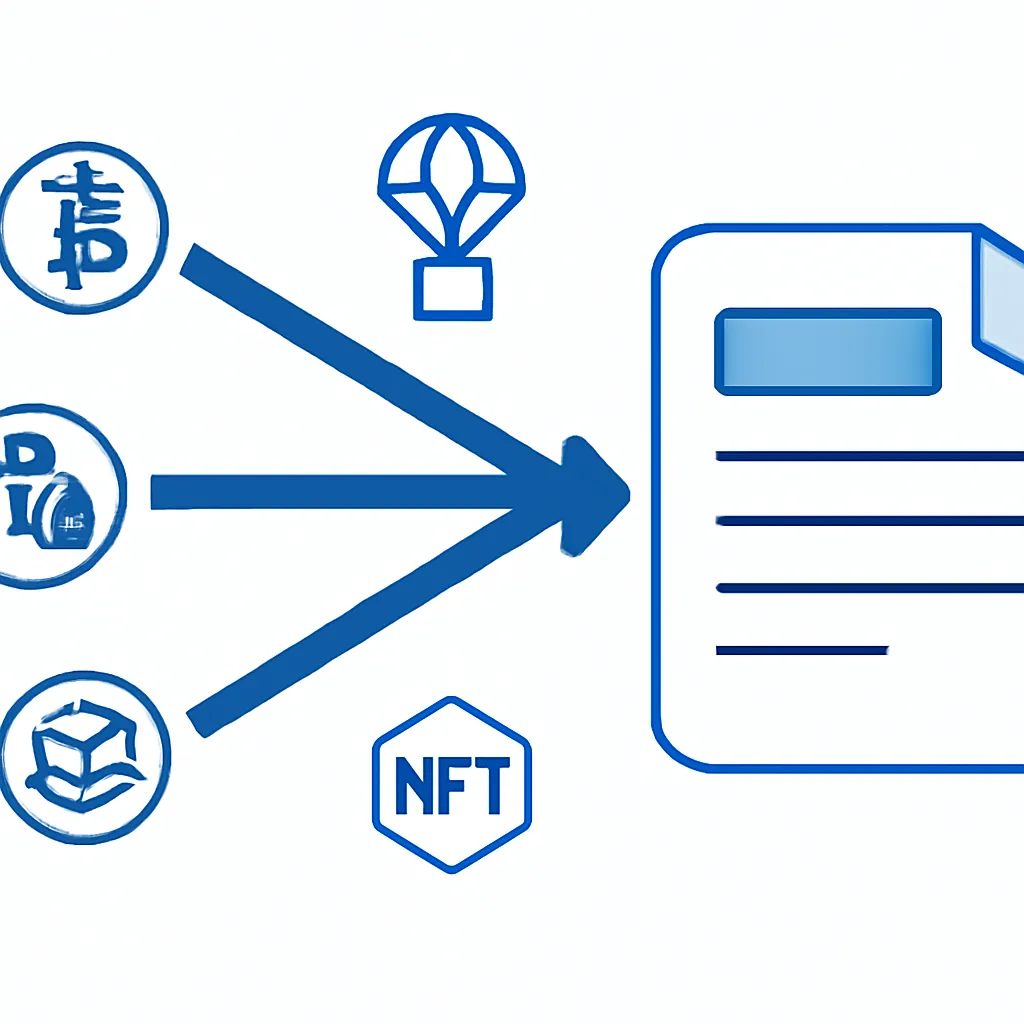
Crypto staking tax is one of the most searched and least understood topics in personal finance right now. If you earn rewards by locking up your crypto in a proof-of-stake network, most tax authorities treat that income as taxable the moment it lands in your wallet. That surprises a lot of people who assumed they only owed tax when they sold something. The reality is more layered: staking rewards, DeFi yields, NFT sales, airdrops, and crypto trading can all trigger separate tax events, sometimes in the same week. This guide walks through each of those areas in plain language so you know what you are dealing with before you file.
Is Staking Taxable? The Short Answer
Yes, staking is taxable in the vast majority of jurisdictions that have issued guidance on the topic. The core question most tax authorities ask is simple: did you receive something of value? When a staking reward lands in your wallet, you have received new tokens with a real market value. That value is typically treated as ordinary income, taxed at your marginal income tax rate for the year in which you received it.
Two Separate Taxable Moments
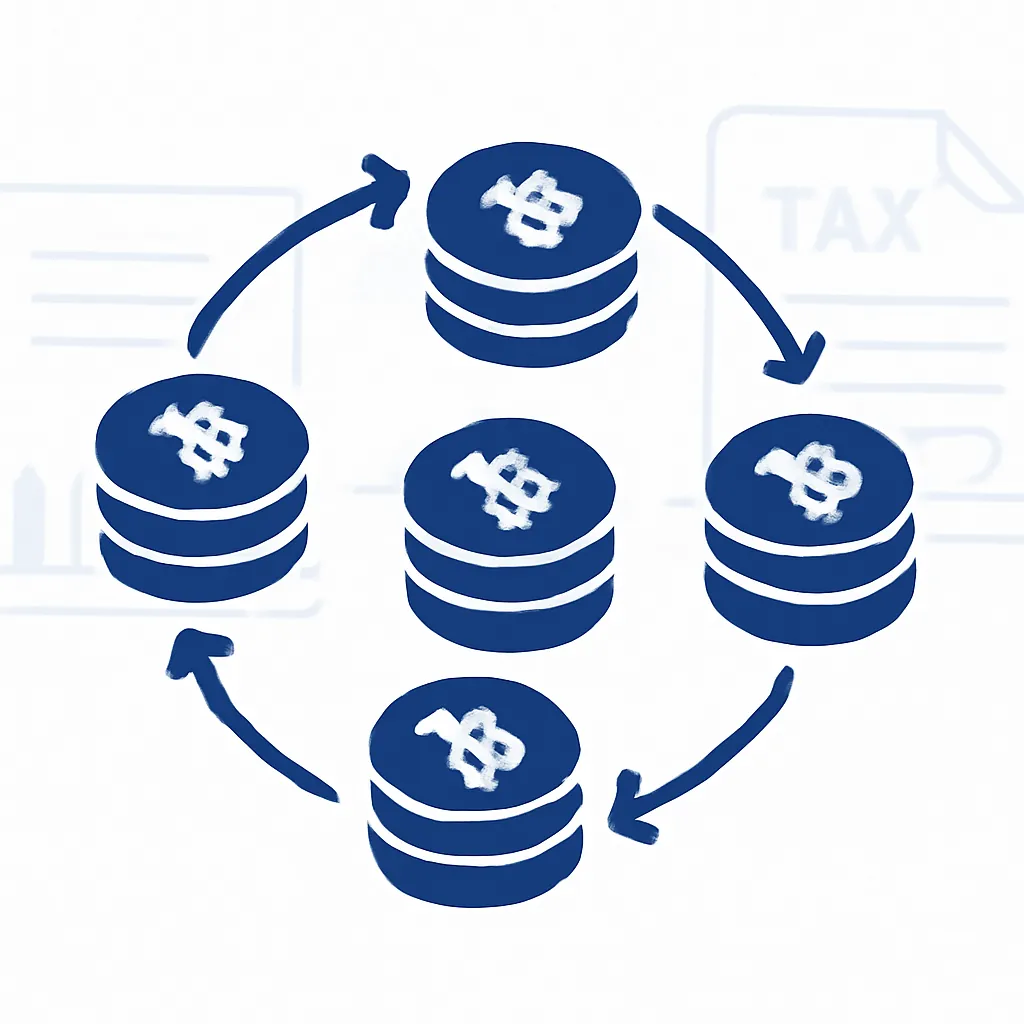
The secondary tax event comes later, when you sell or exchange those same tokens. At that point, any increase in value since you received them is usually treated as a capital gain. Any decrease is a capital loss. So a single staking reward can produce two separate taxable moments: once on receipt as income, and again on disposal as a capital gain or loss. The table below summarises how this two-stage treatment works in practice.
| Event | When It Happens | Tax Treatment | Basis for Calculation |
|---|---|---|---|
| Reward received | Date tokens arrive in wallet | Ordinary income | Fair market value on receipt date |
| Reward sold or swapped | Date of disposal | Capital gain or loss | Disposal value minus cost basis (fair market value at receipt) |
How Crypto Staking Tax Is Calculated
Calculating crypto staking tax starts with recording the fair market value of each reward on the exact date and time it was received. This is your cost basis for that batch of tokens. If your staking protocol pays out daily or even multiple times a day, you may have hundreds of separate income entries to track across a single tax year. Each one needs its own valuation.
Determining Cost Basis and Gain or Loss
When you later sell, swap, or spend those tokens, you subtract your cost basis from the disposal proceeds to arrive at a capital gain or loss. Different jurisdictions allow different cost basis methods. Some permit first-in-first-out, some allow average cost, and a small number permit specific identification. The method you use can significantly change the size of a gain on paper, so it is worth checking what your local rules allow before you assume you can pick freely.
Record-Keeping Challenges
Record-keeping is the part most people underestimate. Staking positions across multiple validators, liquid staking protocols, or pooled services can generate a large volume of small transactions. Losing track of cost basis at this stage creates real problems at filing time, because you may end up paying tax on the full sale proceeds rather than just the gain.
How Are DeFi Rewards Taxed?
DeFi tax sits in a similar place to staking tax conceptually, but the mechanics can be more complex. When you provide liquidity to a decentralised exchange and earn trading fees, or when you deposit assets into a lending protocol and earn yield, most tax authorities that have addressed the question treat those receipts as taxable income at the point you can access them.
Complexities of Receipt Tokens and Auto-Compounding
The complication with DeFi is that some protocols issue receipt tokens or liquidity provider tokens rather than paying yield directly. Wrapping an asset, receiving an LP token, or auto-compounding a position may or may not constitute a taxable disposal depending on how your jurisdiction interprets the transaction. The general rule of thumb is: if you ended up with something you did not have before, and it has value, assume it is taxable until your tax authority says otherwise.
Understanding how DeFi rewards are taxed also means keeping track of the underlying protocol activity. Many DeFi positions change in value due to impermanent loss, and not all jurisdictions allow you to claim that as a deductible loss. Check whether your country has specific guidance on impermanent loss before treating it as a reduction in taxable income.
Impermanent Loss and Tax Deductibility
| DeFi Activity | Typical Tax Treatment | Key Complexity |
|---|---|---|
| Liquidity mining rewards | Income on receipt | High frequency of small receipts |
| Lending yield | Income on receipt or accrual | Timing of recognition varies by jurisdiction |
| LP token issuance | Potentially a disposal of underlying assets | No universal ruling; jurisdiction-specific |
| Auto-compounding positions | Income each time compounding occurs | Number of taxable events can be very high |
| Impermanent loss | Not consistently recognised as a loss | Limited guidance in most jurisdictions |
Crypto Airdrop Tax: Free Tokens Are Not Free
Crypto airdrop tax catches many people off guard. Receiving tokens you did not ask for feels like a gift, but most tax authorities disagree. In the UK, for instance, HMRC has stated that airdrops received in return for a service or as part of a trade are taxable as income. Even airdrops with no strings attached may be subject to capital gains tax on disposal.
Airdrop Income in the US
The US Internal Revenue Service has indicated that tokens received through an airdrop are gross income at the fair market value on the date of receipt, provided the taxpayer has dominion and control over them. That means if you can sell the tokens immediately, you likely owe income tax on their value even if you never chose to sell them.
Valuation Challenges for Illiquid Tokens
The practical challenge is that many airdropped tokens have very low liquidity at the point of receipt, making fair market value genuinely difficult to establish. Some tax practitioners use the first verifiable traded price as a proxy. Whatever approach you use, document your reasoning carefully. Tax authorities scrutinising crypto returns are increasingly aware of airdrop income and it is an easy line item to miss.
NFT Tax: What Happens When You Buy, Sell, or Create
NFT tax depends on which side of the transaction you are on. Buying an NFT with cryptocurrency is a disposal of that crypto, which means you may owe capital gains tax on any appreciation in the crypto you spent, regardless of what the NFT itself does later. This surprises a lot of NFT collectors who think of their purchase as a simple swap rather than a taxable sale.
Tax Treatment for Creators and Collectors
Selling an NFT you bought as a collector typically produces a capital gain or loss. The gain is the sale price minus your cost basis, which includes the price you paid and in some jurisdictions the gas fees you incurred. Creators who mint and sell NFTs may face a different treatment entirely: if selling NFTs is part of a regular trade or business, the proceeds could be taxable as trading income rather than capital gains, which often carries a higher effective rate.
Tracking Royalty Income
Royalty income from secondary NFT sales is generally taxable as income in the year it is received. If your NFTs generate ongoing royalties, you need a system for tracking those payments across potentially many marketplaces.
Crypto Trading Tax and the Disposal Rules
Crypto trading tax applies whenever you dispose of a crypto asset. A disposal is not just a sale for fiat currency. Swapping one token for another, spending crypto on goods or services, and gifting crypto to someone other than a spouse or civil partner can all count as disposals that trigger a tax calculation.
High Volume of Disposals for Active Traders
For active traders, the volume of disposals across a single year can be very large. Each trade needs a matched cost basis, and the order in which you match purchases to sales can meaningfully affect your tax bill. Some jurisdictions have anti-avoidance rules, like the UK's 30-day bed-and-breakfasting rule, that prevent you from selling and quickly rebuying the same asset to crystallise a loss artificially.
Keeping a complete transaction history from every exchange, wallet, and protocol you use is not optional. If your tax authority requests evidence of your positions and you cannot produce records, they may assess you on the full proceeds of every disposal without allowing any cost basis deduction.
Importance of Complete Transaction History
| Disposal Type | Counts as Taxable Disposal? | Notes |
|---|---|---|
| Selling crypto for fiat | Yes | Standard disposal, capital gain or loss |
| Swapping one token for another | Yes | Treated as sell then buy in most jurisdictions |
| Spending crypto on goods or services | Yes | Disposal at fair market value on the day |
| Gifting to a spouse or civil partner | Usually no | Jurisdiction-specific exemptions may apply |
| Gifting to a third party | Yes in most jurisdictions | May trigger gift tax rules separately |
| Donating to a registered charity | Varies | Some jurisdictions offer relief; check locally |
Illustrative Scenario
This scenario is illustrative. It does not describe a real person or client, and the figures are examples only.
To illustrate how this applies in practice, consider the following scenario:
Priya is a software engineer based in London who has been staking ETH via a liquid staking protocol for two years. She also provided liquidity to a DeFi pool for several months, received tokens in two separate airdrops, bought and sold three NFTs, and made around forty crypto-to-crypto trades across the tax year. She assumed her tax exposure was limited to her NFT sales and trades, because those were the events where she consciously sold something.
When she sat down to file, she realised that her daily staking rewards, her DeFi liquidity rewards, and both airdrops had all generated income entries she had not recorded. Her cost basis for the tokens she later sold was effectively zero in her records, meaning she was facing a much larger capital gain than the economic reality warranted. After uploading her wallet and exchange history to CryptaTax, the platform automatically identified over three hundred income events, assigned fair market values, and calculated the correct cost basis for every subsequent disposal. Priya's actual tax bill was significantly lower than her initial estimate, and she had a full audit trail to support every number on her return.
Frequently Asked Questions
Is staking taxable even if I have not sold my rewards?
In most jurisdictions, yes. Staking rewards are typically treated as income at the point you receive them, based on their fair market value on that date. You do not need to sell the tokens to trigger an income tax liability. A second tax event arises if and when you do sell them.
What is the cost basis for staking rewards?
Your cost basis for staking rewards is generally the fair market value of the tokens on the date and time you received them. This is also the figure you declared as income. When you later dispose of those tokens, you subtract this cost basis from your sale proceeds to calculate any capital gain or loss.
How are DeFi rewards taxed differently from staking rewards?
The underlying principle is similar: both are typically treated as income on receipt. DeFi adds complexity because some protocols issue receipt tokens or LP tokens rather than paying yield directly, and those transactions may themselves constitute taxable disposals. Impermanent loss is another DeFi-specific issue that most jurisdictions have not yet addressed clearly.
Do I owe crypto airdrop tax if I never asked for the tokens?
In many jurisdictions, yes. Whether you requested the tokens is generally not relevant to the tax analysis. If the tokens have a fair market value when you receive them and you have the ability to control or sell them, most tax authorities consider that taxable income. Always check the specific rules in your country.
Does buying an NFT with crypto trigger a tax event?
Yes, in most jurisdictions. When you spend cryptocurrency to buy an NFT, you are disposing of that crypto. If the crypto you spent had increased in value since you acquired it, that appreciation is a capital gain. The NFT purchase itself is not the taxable event; the disposal of the crypto you used to pay for it is.
What counts as a disposal for crypto trading tax purposes?
A disposal is any event where you give up ownership of a crypto asset. This includes selling for fiat, swapping for another token, spending crypto on goods or services, and gifting to a third party. Simply moving crypto between your own wallets is not a disposal, provided you can demonstrate both wallets belong to you.
Can I deduct transaction fees from my crypto gains?
In many jurisdictions you can include transaction fees in your cost basis or deduct them from sale proceeds, which reduces your taxable gain. Gas fees paid when acquiring an asset typically increase your cost basis. Fees paid when disposing of an asset typically reduce your disposal proceeds. Rules vary, so confirm the treatment in your specific jurisdiction.
What records do I need to keep for crypto tax purposes?
You should retain complete records of every transaction: the date, the type of event, the assets involved, the quantity, the fair market value at the time, and any fees paid. This applies to staking rewards, DeFi activity, airdrops, NFT transactions, and all trades. Most tax authorities require records to be kept for at least five to seven years.
What happens if I have not been reporting my staking income?
Failing to report taxable crypto income can result in penalties, interest charges, and in serious cases, criminal investigation. If you have missed prior years, voluntary disclosure is usually treated more favourably than waiting to be caught. Speaking to a qualified tax adviser before approaching your tax authority is strongly recommended.
Can I use crypto losses to offset staking income?
Capital losses from crypto disposals can generally be offset against capital gains in the same tax year, and in many jurisdictions carried forward to future years. However, capital losses typically cannot be offset against income tax, which is usually the category that applies to staking rewards at receipt. The two tax treatments are usually calculated separately.
Source: CryptaTax