
Crypto Tax Calculator: The Individual's Guide to Record-Keeping
If you have ever bought, sold, swapped, or earned cryptocurrency, you almost certainly have a tax obligation. Yet most individuals have no idea what records they need, which transactions are taxable, or how to calculate what they owe. A crypto tax calculator takes the raw data from your wallets and exchanges and turns it into a structured report your tax authority can work with. Done properly, it protects you from penalties, prevents you from overpaying, and means you are never caught off guard by an unexpected bill. This guide walks through everything an individual needs to know: what to record, how cost basis works, which events trigger a taxable gain or loss, and how purpose-built crypto tax software makes the whole process manageable, even if you have hundreds of transactions across multiple platforms.

Why Every Crypto Transaction Is a Potential Tax Event
The starting point that trips up most people is the assumption that tax only applies when you cash out into fiat currency. In most jurisdictions, that is wrong. Disposing of one cryptocurrency to acquire another, spending crypto on goods or services, and receiving crypto as income are all events that tax authorities treat as taxable. The specific rules vary by country, but the underlying principle is consistent: any time you part with a crypto asset, you may have realised a gain or a loss relative to what you originally paid.
Receiving Crypto as Income
Receiving crypto also matters. Mining rewards, staking income, airdrops, and referral bonuses are typically treated as ordinary income at the point of receipt. The value at that moment becomes your cost basis for any future disposal. Miss that step and you will either overstate your gain or struggle to explain your numbers if you are ever queried. Keeping a complete and time-stamped record of every transaction is not optional; it is the foundation of everything that follows.
The table below summarises how common transaction types are generally treated, though you should always confirm the rules for your specific country.
Common Transaction Types Table
| Transaction Type | Typical Tax Treatment | Record Required |
|---|---|---|
| Sale for fiat currency | Capital gain or loss | Date, amount, proceeds, cost basis |
| Crypto-to-crypto swap | Capital gain or loss (disposal of first asset) | Date, both asset values at swap time |
| Spending crypto on goods or services | Capital gain or loss at point of spend | Date, fair market value of goods/services |
| Staking or mining rewards | Ordinary income at fair market value on receipt | Date of receipt, quantity, fair market value |
| Airdrop received | Often ordinary income; rules vary by jurisdiction | Date, quantity, fair market value at receipt |
| Crypto received as payment for work | Ordinary income | Date, quantity, fair market value on payment date |
| Transferring between own wallets | Generally not a taxable event | Proof of ownership of both addresses |
What Records You Actually Need to Keep
Good record-keeping is not just about having a spreadsheet somewhere. Tax authorities expect you to be able to substantiate every figure on your return, which means having source documentation for each transaction. For most people, that means exporting transaction histories from every exchange they have used, connecting hardware and software wallets, and keeping track of any on-chain activity that did not go through a centralised platform.
Required Data for Each Transaction
For each transaction, you need the date and time, the type of transaction, the asset involved, the quantity, the price in your local fiat currency at the time of the transaction, any fees paid, and the wallet addresses or exchange accounts involved. Fees matter more than people realise. In many jurisdictions, trading fees can be added to the cost basis of an acquisition or deducted from the proceeds of a disposal, reducing your taxable gain. If you do not record them, you pay more tax than you owe.
Scaling Challenges and Software Solutions
The challenge scales quickly. Someone who trades actively across several exchanges, holds assets in multiple wallets, and participates in decentralised finance can easily accumulate thousands of transactions in a single tax year. Tracking all of this manually is where errors creep in. Purpose-built crypto tax software automates the import, categorisation, and matching of transactions, dramatically reducing the scope for mistakes.
How a Crypto Tax Calculator Works Out Your Gains
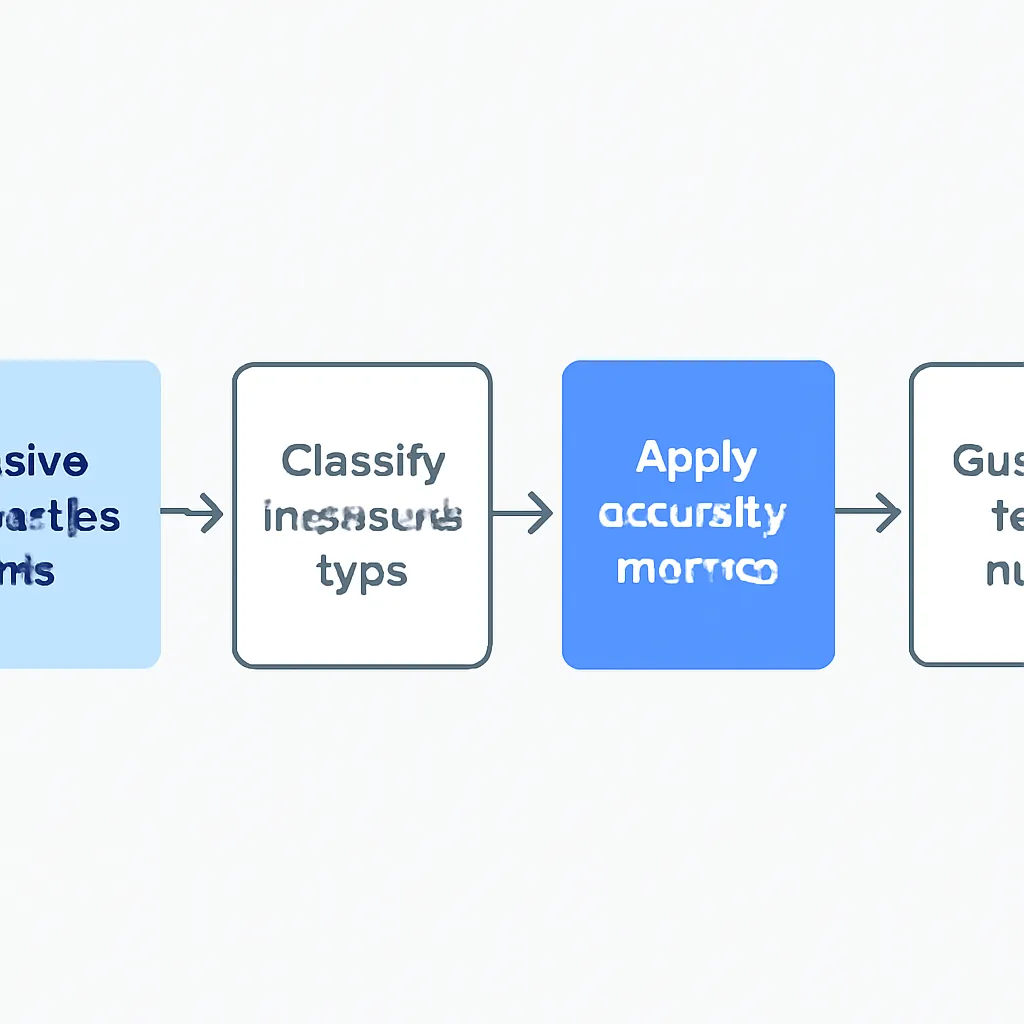
When you use a crypto tax calculator, the software does several things in sequence. First, it imports your transaction data from exchanges via API or CSV file, and from wallets via public address or direct sync. It then identifies which transactions are disposals, which are income events, and which are non-taxable transfers. From there, it applies a cost basis accounting method to work out the gain or loss on each disposal.
Cost Basis Methods Explained
Cost basis is simply what you paid for the asset, including any acquisition fees. The method used to match costs to disposals varies by jurisdiction. The UK requires a specific share identification method. The US allows several options including FIFO and specific identification. Australia applies a discount for assets held longer than twelve months. Your crypto tax software should be configured to apply the method that is both legally required and most advantageous for your situation.
The output is a crypto tax report that summarises your total capital gains, total capital losses, total income from crypto, and any carry-forward losses from prior years. That report is what you or your accountant uses to complete your tax return. The table below shows how the most common cost basis methods work at a high level.
Cost Basis Method Comparison Table
| Cost Basis Method | How It Works | Commonly Used In |
|---|---|---|
| FIFO (First In, First Out) | The oldest coins purchased are treated as the first ones sold | US, Australia, many EU countries |
| LIFO (Last In, First Out) | The most recently purchased coins are treated as the first ones sold | Some US filers (where permitted) |
| HIFO (Highest Cost, First Out) | The highest-cost coins are sold first, minimising gains | US (specific identification basis) |
| Section 104 Pooling | All coins of the same type are pooled; average cost is used | United Kingdom |
| Weighted Average Cost | Total cost divided by total holdings gives a per-unit basis | Germany, several EU member states |
The Most Common Mistakes When You Calculate Crypto Taxes
Missing transactions is the single biggest problem. If you used an exchange that has since shut down, you traded on a decentralised exchange without realising it left a taxable footprint, or you lost access to old wallet records, gaps in your data will produce an inaccurate report. Tax authorities increasingly use blockchain analytics to cross-reference declared figures against on-chain activity. An unexplained discrepancy is more likely to trigger scrutiny than a correctly reported loss.
Treating Crypto-to-Crypto Swaps
The second most common issue is treating crypto-to-crypto swaps as non-taxable. Because no fiat ever changes hands, many people assume nothing has happened from a tax perspective. In most jurisdictions, disposing of one asset to acquire another is still a disposal. The gain or loss is calculated by comparing the cost basis of the asset you gave up against its fair market value at the point of the swap.
Ignoring Staking and Lending Income
Ignoring staking and lending income is another frequent oversight. If your holdings are generating yield, that yield is generally taxable as income in the year it is received, regardless of whether you withdraw it or leave it to compound. A good crypto capital gains calculator will capture income events separately from disposal events so that your report is complete from the outset.
How to File Crypto Taxes Without Starting from Scratch
The practical process of learning how to file crypto taxes begins well before the filing deadline. Start by listing every exchange account and wallet you have used during the tax year. Request full transaction exports from each exchange in CSV format, and note which ones support direct API connections to tax software. For on-chain activity, you will need your public wallet addresses so the software can pull the full history from the blockchain.
Reviewing and Categorizing Transactions
Once your data is imported, review it for obvious gaps or categorisation errors. Most software will flag transactions it cannot automatically categorise, such as bridging activity or unusual DeFi interactions. Work through those manually before generating a final report. The crypto tax report you produce should show your total gains and losses in your local currency, broken down by asset and by tax year. Most tools allow you to export this in a format compatible with the self-assessment or tax return system used in your jurisdiction.
Meeting Filing Deadlines
Deadlines vary significantly. Missing a deadline typically results in late-filing penalties that add to your bill regardless of whether you owe tax. Set a reminder well in advance and treat the record-keeping process as continuous rather than something to tackle once a year in a rush.
Illustrative Scenario
This scenario is illustrative. It does not describe a real person or client, and the figures are examples only.
To illustrate how this applies in practice, consider the following scenario: Priya is a freelance UX designer based in the UK who has been investing in cryptocurrency for several years. During the most recent tax year, she sold a portion of her holdings at a profit, swapped a smaller altcoin position for a different token, and received a modest amount of staking rewards from an asset she holds on a major exchange. She assumed her tax liability was limited to the sale, because the other two activities did not involve fiat currency changing hands.
When Priya connected her exchange accounts and wallet addresses to CryptaTax, the software identified all three event types separately. The crypto-to-crypto swap generated a capital gain that she had not accounted for. The staking rewards were flagged as taxable income at the fair market value on each date of receipt. The platform applied the UK's Section 104 pooling method automatically and generated a complete crypto tax report ready for her self-assessment submission. The total liability was higher than she had expected, but significantly lower than if she had only partially reported and faced a HMRC enquiry later. Having the full picture also meant she could identify a carry-forward loss from a prior year that partially offset the current year's gain.

Frequently Asked Questions
What does a crypto tax calculator actually do?
A crypto tax calculator imports your transaction data from exchanges and wallets, identifies taxable events such as disposals and income receipts, applies the correct cost basis method for your jurisdiction, and produces a structured crypto tax report. It replaces the manual process of matching transactions in a spreadsheet and significantly reduces the risk of errors or omissions.
Do I have to report crypto if I only traded crypto-to-crypto and never cashed out?
In most jurisdictions, yes. Swapping one cryptocurrency for another is treated as a disposal of the first asset, meaning a capital gain or loss is realised at that point. The absence of fiat currency in the transaction does not change the tax treatment. You should check the specific rules for your country, but the default in most major tax systems is that a swap is taxable.
How do I calculate crypto taxes if I have used multiple exchanges?
You need a complete transaction history from every platform you have used. Most exchanges allow you to export this as a CSV file or connect via API to crypto tax software. The software then aggregates all activity across accounts into a single unified record, which is essential for accurate cost basis matching and to avoid reporting gaps.
What is cost basis and why does it matter for crypto capital gains?
Cost basis is the original price you paid for a crypto asset, including any acquisition fees. When you dispose of the asset, your taxable gain is the difference between the disposal proceeds and the cost basis. Using the wrong cost basis method, or failing to record the basis correctly at the time of acquisition, can result in overpaying or underpaying tax. Your crypto capital gains calculator should apply the method required by your specific jurisdiction.
Is staking income taxable?
In most jurisdictions, staking rewards are treated as ordinary income at the fair market value of the tokens on the date you receive them. That value also becomes your cost basis for any future disposal of those tokens. The tax treatment of staking can vary, so confirm the rules that apply in your country, but treating rewards as non-taxable is a common and potentially costly error.
How far back do I need to keep crypto transaction records?
Most tax authorities require individuals to retain records for between five and seven years, though some jurisdictions require longer retention periods. Because cost basis can be traced back to the original acquisition of an asset, it is advisable to keep records indefinitely for any crypto you still hold. Losing historical records makes it much harder to accurately calculate crypto taxes when you eventually dispose of those assets.
What happens if I have missing transaction data from an old exchange?
Missing data is a significant problem because it creates gaps in your cost basis records and may result in gains being overstated or understated. Some exchanges allow you to request historical records directly, and blockchain explorers can recover on-chain activity if you have the wallet address. Where records are genuinely unrecoverable, you may need to make a reasonable estimate and document your methodology. A tax professional can advise on the best approach for your situation.
Can crypto tax software handle DeFi and NFT transactions?
Most modern crypto tax software can process common DeFi interactions such as liquidity provision, yield farming, and token swaps executed on decentralised exchanges. NFT purchases and sales are generally treated as capital disposals in the same way as other crypto assets. Complex DeFi activity such as wrapped tokens, cross-chain bridges, and protocol-specific rewards may require manual review, but dedicated tools handle a large proportion of this automatically.
What is a crypto tax report and what does it contain?
A crypto tax report is the output document produced by a crypto tax calculator after processing your full transaction history. It typically shows your total capital gains, total capital losses, net taxable gain or loss for the year, income received in cryptocurrency, and a transaction-level breakdown supporting each figure. This report is used to complete your tax return and provides an audit trail if your tax authority requests evidence of your calculations.
When is the deadline to file crypto taxes?
Deadlines vary by jurisdiction. In the US, the standard individual income tax deadline applies. In the UK, the self-assessment deadline for online filing falls in late January following the end of the tax year in April. Australia, Canada, and EU member states each have their own schedules. Missing the deadline usually results in late-filing penalties regardless of whether you owe tax, so confirming your country's specific deadline well in advance is essential.
Source: CryptaTax